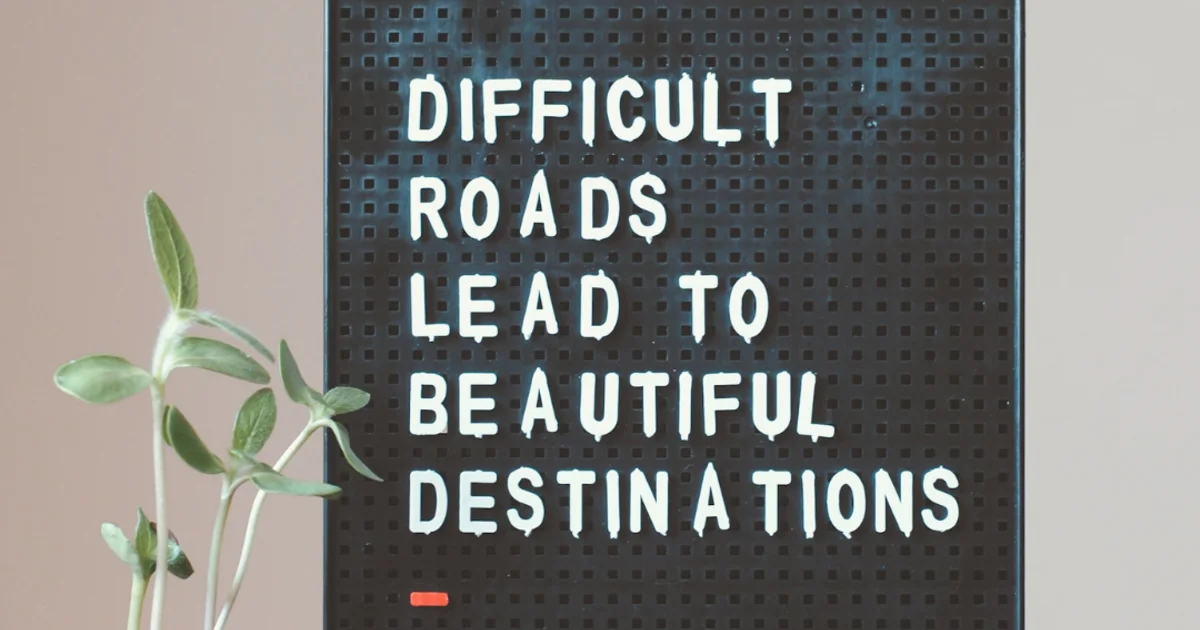
How do you transition from climbing the corporate ladder to designing a life that truly aligns with your values and passions?
Most professionals excel at setting and achieving workplace objectives, but struggle when it comes to personal goal-setting and life design. In a recent conversation with Leilani Batty, who heads the Project Management Office at Advent Hull, we explored how the skills that make someone successful in corporate project management can be transformed into powerful tools for personal growth and life planning.
Leilani's approach to goal-setting goes far beyond traditional New Year's resolutions, offering a holistic framework that professionals can use to design lives of purpose, passion, and financial freedom.
Why New Year's Resolutions Don't Work (And What Does)
While millions of people make New Year's resolutions, Leilani takes a different approach that's both more sustainable and more meaningful.
"I don't really typically do New Year's resolutions because it's to me it just seems very cliche. Goals should be something you should be evaluating on a regular continual basis."
Instead of following the calendar year, she aligns her personal goal-setting with her birthday, creating a natural annual review cycle that feels more authentic and less pressured.
The Birthday Goal-Setting Method
This approach offers several advantages:
- Personal significance: Your birthday naturally prompts reflection on growth and change
- Avoids the January rush: No competition with gym crowds and diet culture pressure
- Creates a unique rhythm: Establishes your own personal "new year" that's meaningful to you
- Continuous improvement mindset: Focus on ongoing development rather than dramatic resolutions
The Holistic Life Design Framework
What sets successful goal-setters apart is their ability to view life holistically rather than focusing solely on professional advancement. Leilani's approach breaks life into interconnected categories:
1. Physical Well-being
- Diet and nutrition assessment
- Exercise and fitness routines
- Overall health maintenance
2. Relationships
- Family relationships: Quality time with spouse and children
- Friendships: Maintaining and deepening connections
- Professional relationships: Networking and mentorship
3. Spiritual and Mental Health
- Practices that nurture inner growth
- Stress management and mindfulness
- Activities that align with personal values
4. Professional Development
- Career advancement opportunities
- Skill development
- Finding joy and purpose in work
5. Financial Independence
- Long-term financial planning
- Investment strategies
- Working toward financial freedom
"I'm a firm believer of designing your life path and looking at your life not just most people just look at where they're at professionally but looking at your life holistically and what are those things that align to your values."
The FIRE Movement: Redefining Retirement
One of the most compelling aspects of Leilani's approach is her commitment to FIRE (Financial Independence, Retire Early). But her definition of retirement challenges conventional thinking.
"To me retirement means not just being able to sit at home but retirement to me means I am financially independent to do whatever it is I want to do... retirement just means I have the freedom to decide whatever it is I want to do next."
The Freedom-Focused Approach to Career Planning
This perspective shifts the focus from:
- Traditional thinking: Work until 65, then stop working
- FIRE thinking: Achieve financial independence to pursue passion projects
The goal isn't to stop being productive, but to gain the freedom to choose work that aligns with your values and interests rather than just your financial needs.
Discovering Your Hidden Patterns and Passions
One of the most powerful exercises discussed involves looking back at recurring themes in your life to identify your true passions and natural inclinations.
The 20-Year Pattern Analysis
This introspective exercise involves:
- Document recurring activities: Look back 20 years and identify activities you repeatedly return to
- Identify energy sources: Notice what activities consistently energize you
- Find the connecting threads: Look for patterns that reveal your natural inclinations
- Connect past to present: See how childhood interests might inform adult passions
"I went back to like 20 years in my life and I started thinking what are the activity that I did... I realized that these are all the dots where I keep going back to writing."
This process often reveals that our deepest passions have been with us all along, even if they've been overshadowed by practical career choices.
From Corporate Ladder to Creative Expression
Both Leilani and the podcast host shared similar experiences of discovering that their true interests lay in creative fields rather than traditional corporate advancement.
Leilani's Creative Journey
- Early interests: Fashion design and visual arts
- Practical pivot: Computer science degree followed by graphic design
- Current passion: Photography and cinematography
- Challenge: Finding time to pursue creative interests while managing professional responsibilities
The "Starving Artist" Myth
Many professionals abandon creative pursuits due to concerns about financial stability. However, the FIRE approach offers a solution:
- Build financial independence through traditional career success
- Maintain creative pursuits as side projects
- Transition gradually once financial freedom is achieved
- Pursue passion projects without financial pressure
As a project management professional, Leilani applies proven PM principles to personal goal management:
Journals
- Multiple journals for different purposes
- Handwritten goals for better retention and processing
- Regular review and reflection
Vision Boards
- Visual representation of goals and aspirations
- Focus on retirement and lifestyle goals
- Inspiration for long-term planning
Mind Maps
- Creative exploration of possibilities
- Brainstorming life design options
- Connecting different life areas and goals
"There's something about writing it versus typing it out that helps to really synthesize the information."
The Power of Analog Planning
While digital tools offer convenience, handwritten planning provides unique benefits:
- Better retention: Physical writing enhances memory and processing
- Reduced distractions: No notifications or digital interruptions
- Tangible connection: Physical artifacts create stronger emotional connections
- Creative freedom: Easy to add drawings, diagrams, and creative elements
Goal Tracking Without Overwhelm
Rather than rigid monthly check-ins, Leilani recommends a more organic approach to goal tracking:
Event-Triggered Reviews
Personal Milestones
- Birthdays and anniversaries
- Children's school milestones
- Family celebrations
Professional Markers
- Performance reviews
- Project completions
- Career transitions
Quarterly Reflections
- Seasonal changes as natural review points
- Holiday periods for deeper reflection
- School year cycles for family-focused goals
The Daily Joy Check
"I'm always kind of looking at myself and saying does did I have a good day today what did I accomplish today did this activity spark joy or am I feeling like i'm just going through the motions what can i do to improve that."
This simple daily practice helps maintain awareness of whether your activities align with your values and bring fulfillment.
Building Shared Vision in Relationships
One often-overlooked aspect of goal-setting is how it impacts and involves our closest relationships.
Partner Goal-Setting Benefits
Financial Alignment
- Shared understanding of financial goals
- Coordinated investment and spending decisions
- Mutual accountability for financial discipline
Life Vision Synchronization
- Understanding each other's dreams and aspirations
- Planning major life decisions together
- Supporting individual growth within the relationship
Enhanced Communication
- Regular check-ins about life satisfaction
- Open discussions about changing priorities
- Celebration of shared achievements
Key Takeaways for Professional Life Design
1. Reject One-Size-Fits-All Approaches
Create your own timing and rhythm for goal-setting that feels authentic to your life and values.
2. Think Holistically
Success isn't just about professional advancement. Consider all areas of life when setting goals and measuring progress.
3. Look for Patterns
Your passions and natural inclinations often show up repeatedly throughout your life. Pay attention to what you consistently return to.
4. Redefine Success
Consider whether climbing the corporate ladder truly aligns with your values, or if there are other definitions of success that might be more fulfilling.
5. Plan for Freedom
Whether through FIRE or other approaches, work toward the freedom to choose projects and work that align with your values rather than just your financial needs.
Don't overcomplicate the planning process. Journals, vision boards, and mind maps can be more effective than complex digital systems.
7. Share the Journey
Involve your closest relationships in your goal-setting process to ensure alignment and mutual support.
Conclusion: From Management to Meaning
The transition from managing corporate projects to designing a meaningful life requires the same skills that make professionals successful: planning, tracking, and continuous improvement. However, it also requires the courage to look beyond traditional definitions of success and the wisdom to recognize that our deepest satisfactions often come from pursuing activities that energize and inspire us.
As Leilani's journey demonstrates, the goal isn't to abandon professional success but to use it as a foundation for greater freedom and fulfillment. By applying project management principles to personal life design, professionals can create lives that are not only successful by external measures but also deeply satisfying by internal ones.
The question isn't whether you have time for life design—it's whether you can afford not to invest in it. Your future self will thank you for taking the time now to design a life that truly reflects your values, passions, and aspirations.
Watch the Full Episode
Listen to the full episode for more insights from this conversation.